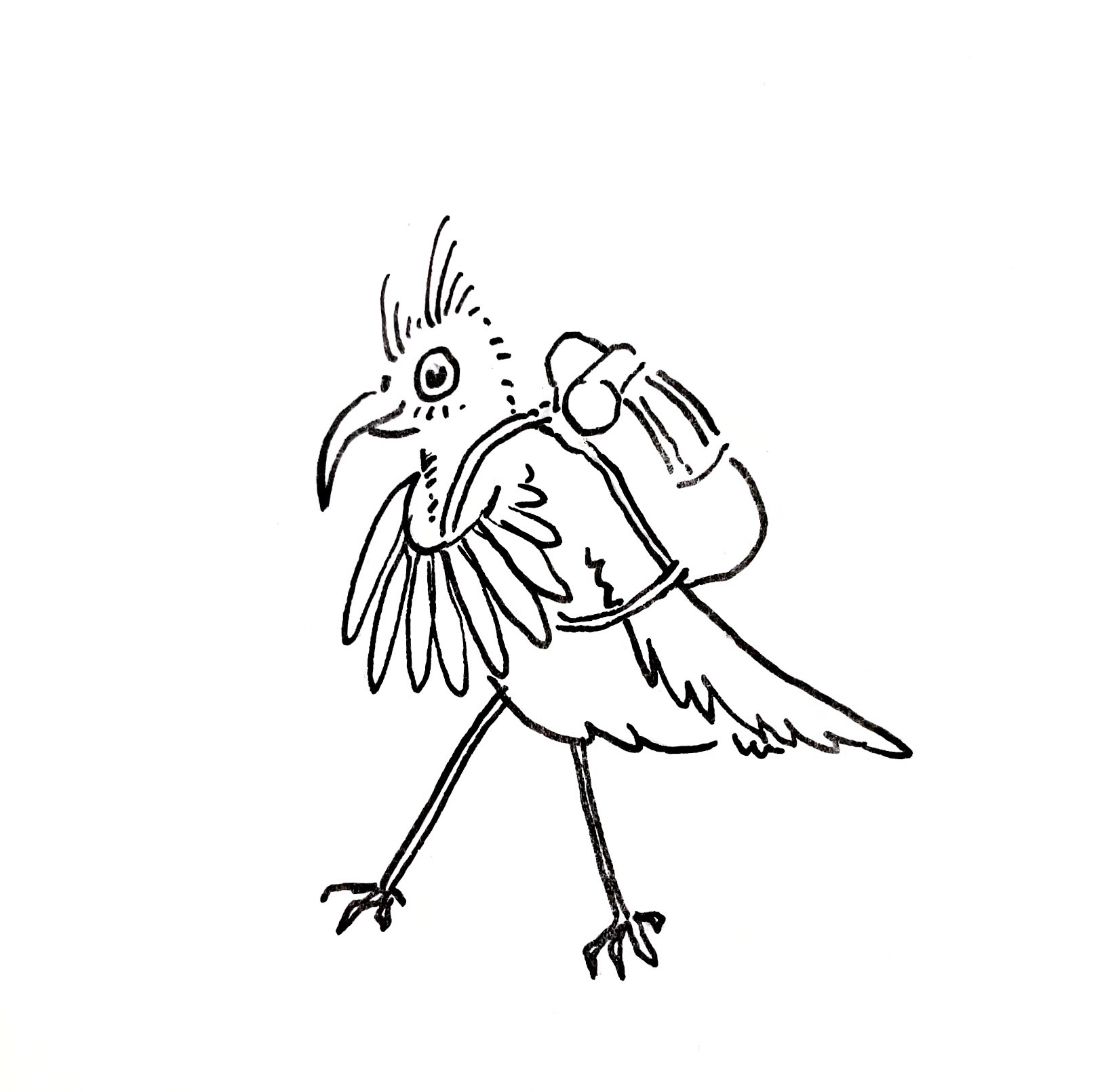
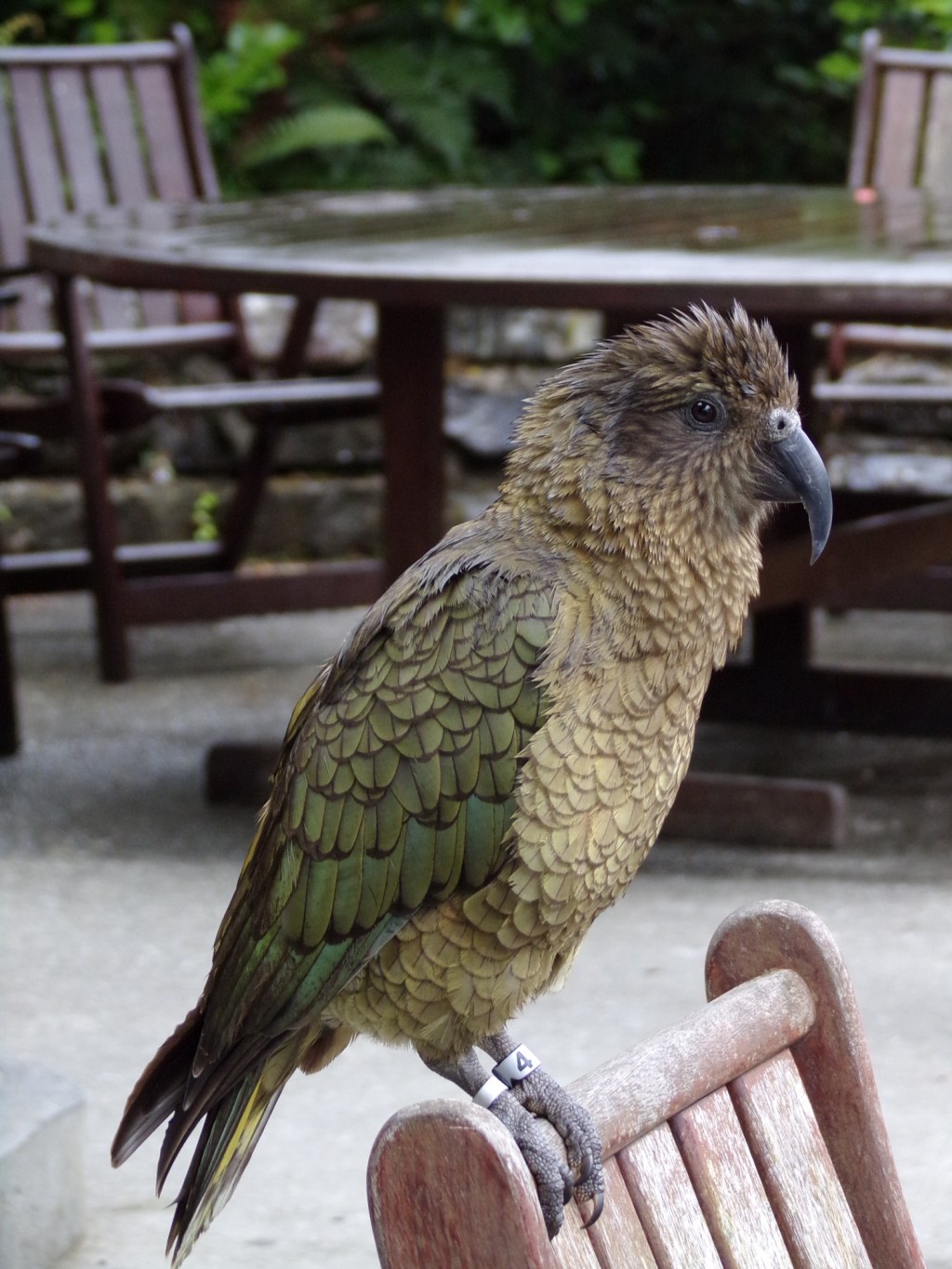
Arthur’s Pass is the highest pass in the Southern Alps of New Zealand’s South Island. It is best known for its surrounding mountains, beautiful rivers and waterfalls, and is one of the top places to see the world’s only alpine parrot, the Kea.
We spent 2 nights here, where sadly I don’t think it stopped raining once! Even so, we had a great time and have lots of recommendations! I would say 2 nights is definitely enough time to get everything done, spending one day in Arthur’s Pass Village (recommendations 1-5 below), and another day doing the activities in the surrounding area (recommendations 6-8). If you want to do any of the longer/harder walks in the area, then an extra day might be needed.
Camping information:
We stayed one night in the Avalanche Creek Shelter Campsite which is a paid DOC campsite. It costs $18 per adult and is situated right in the middle of Arthur’s Pass village so the location is great. There are toilets very close by, as well as the Information Centre and information boards where you can learn all about Kea!
Our second night was spent in Hawdon Shelter Campsite which is also a DOC campsite, costing $10 per adult. It was about 10 minutes outside of the centre and we only went to save a bit of money, but honestly we wished we had spent the extra $8 each! There was only one long-drop toilet which wasn’t very nice, and so many sand flies which made cooking in the evening very painful. I would recommend just spending the extra money, and just staying at the Avalanche Creek Shelter campsite both nights.
1. Go to the Otira Viaduct lookout
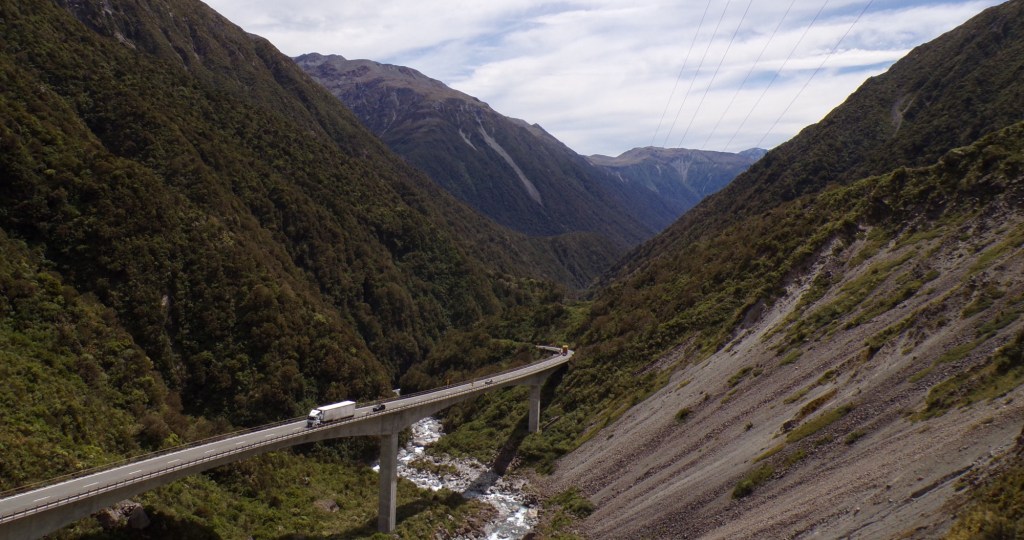
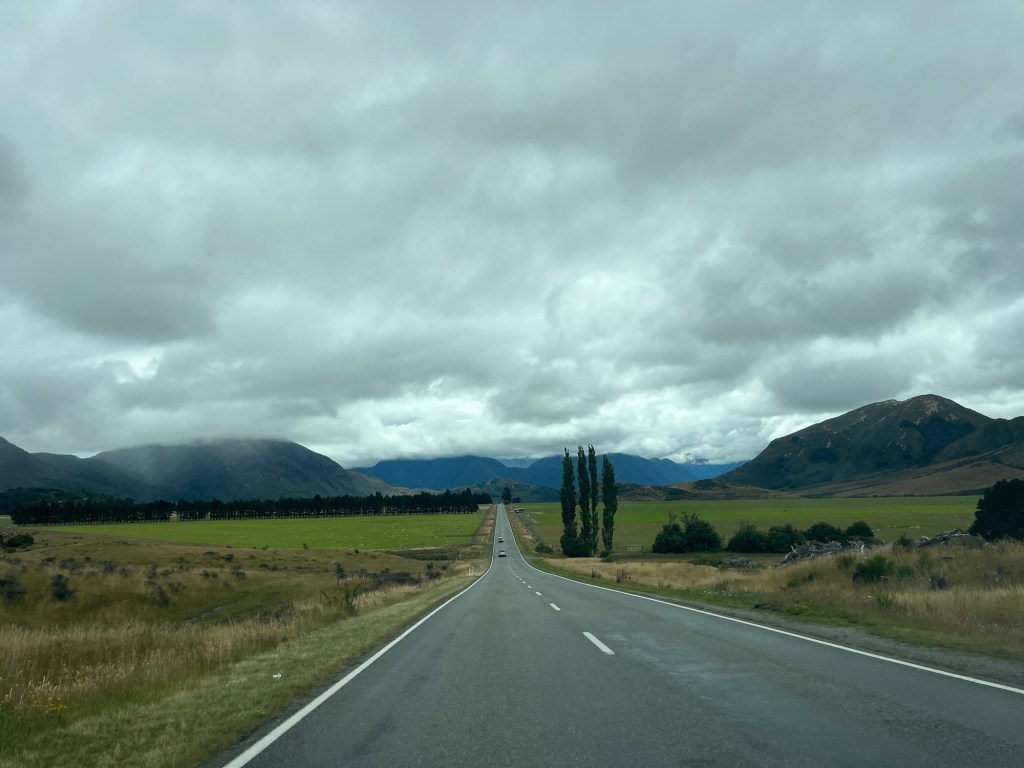
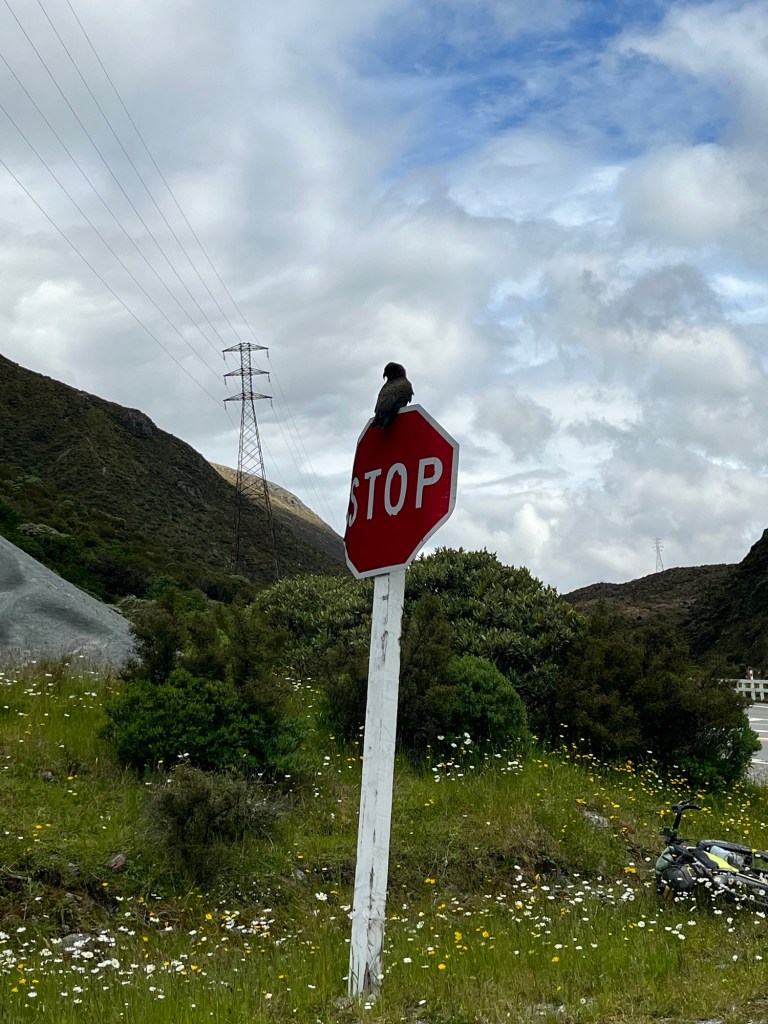
The drive into Arthur’s pass is gorgeous (but very hilly, our Toyota Estima was really struggling)! If you are driving into Arthur’s Pass from the west coast then you will drive past the viaduct lookout. This is a great viewpoint that looks out over the viaduct and surrounding mountains, valleys and forests which lead to some great photos. The best part about it is that 2 Kea live here!
Kea:
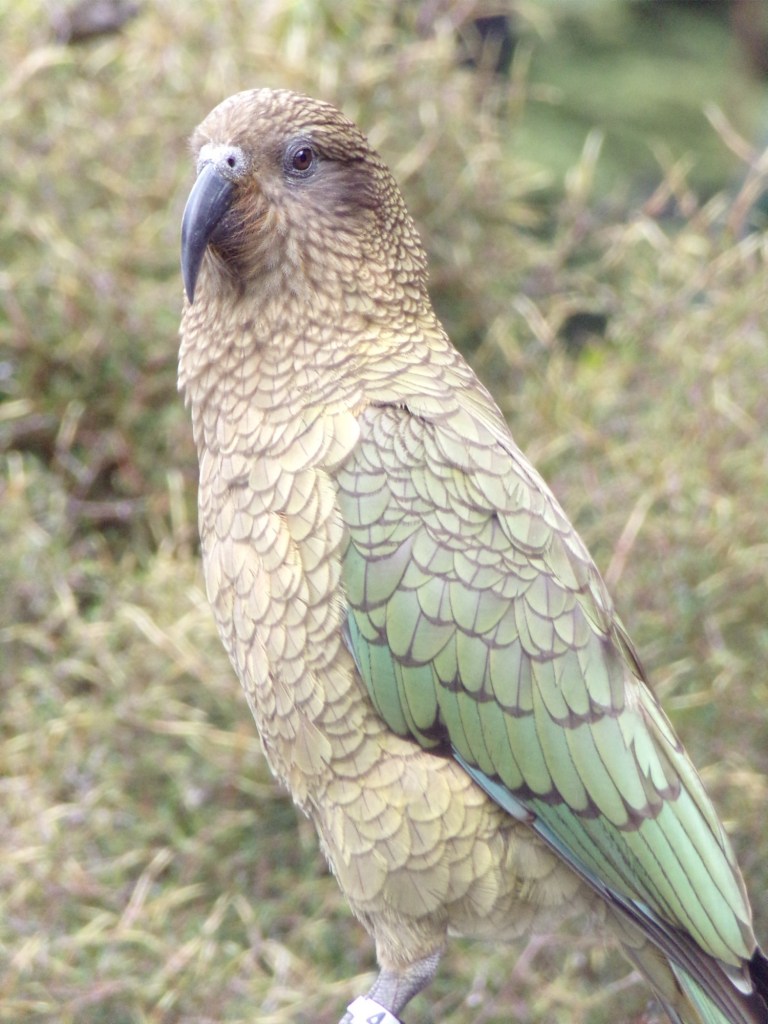
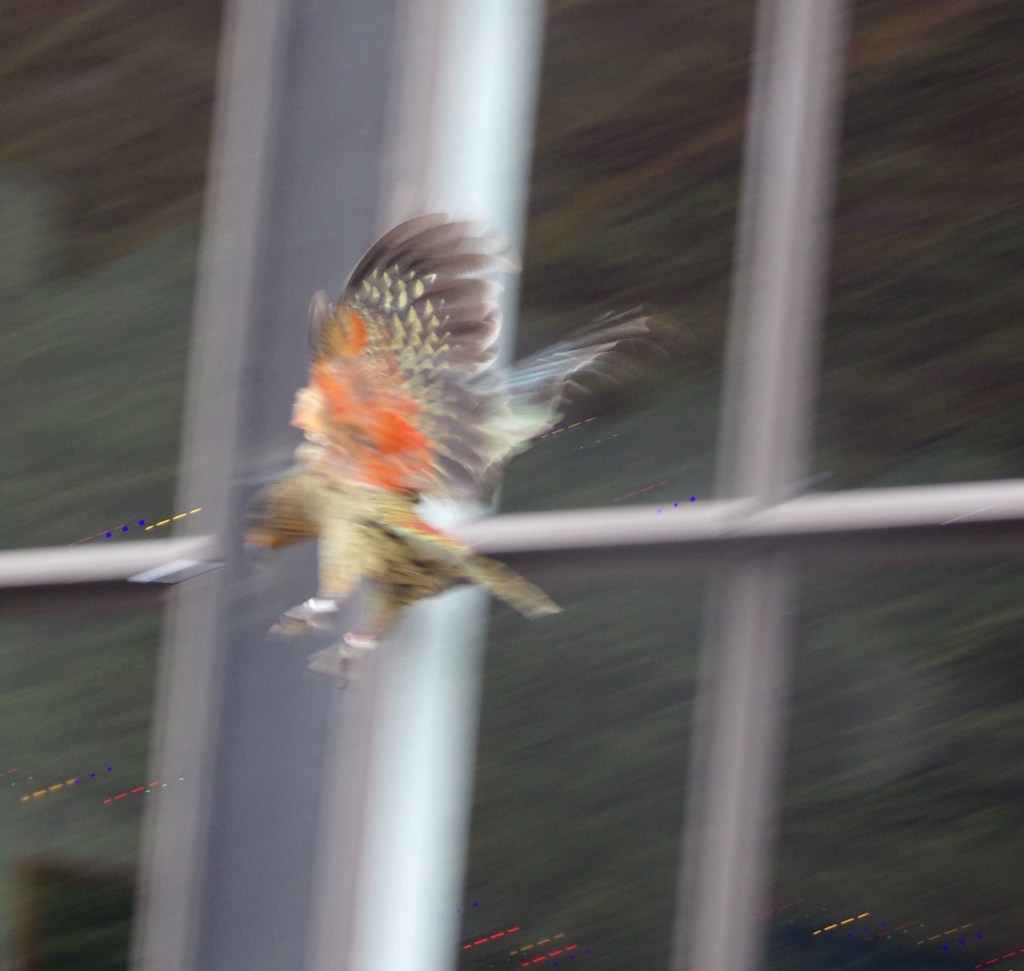
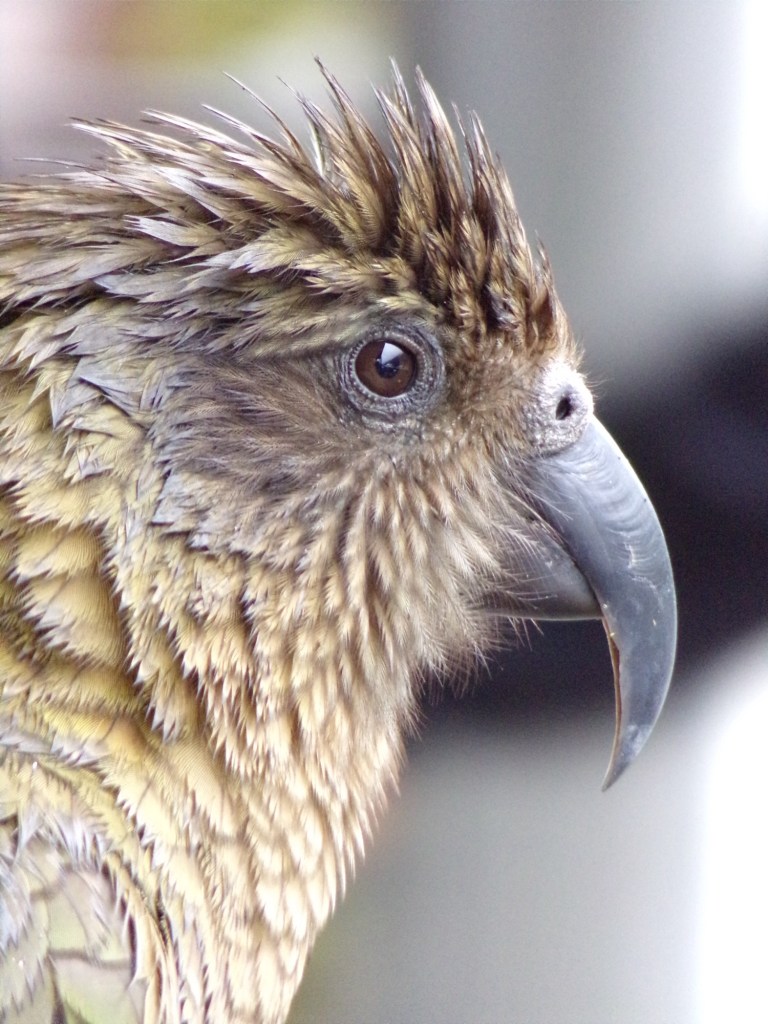
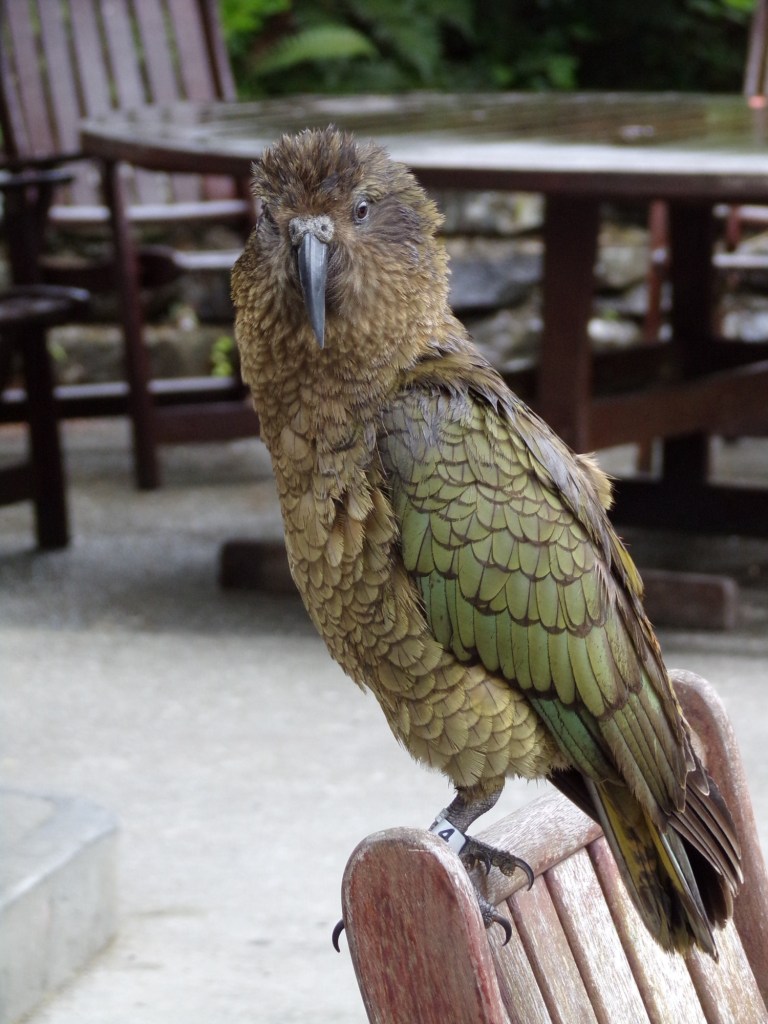
The Kea is the world’s only alpine mountain parrot and sadly is endangered. They got their name from their signature call; a long high-pitched kee-ee-aa-aa, often you hear one before you see it! They are endemic to New Zealand and it is estimated that fewer than 7000 remain in the wild.
Kea were hunted for bounty as a measure to protect sheep until 1971 and they were granted full protection in 1986. Ongoing threats include introduced predators, such as stoats and feral cats, conflict with humans and plagues. Kea are very inquisitive birds and often interact with humans due to their curiosity and ability to problem solve
2. Explore Arthur’s Pass village
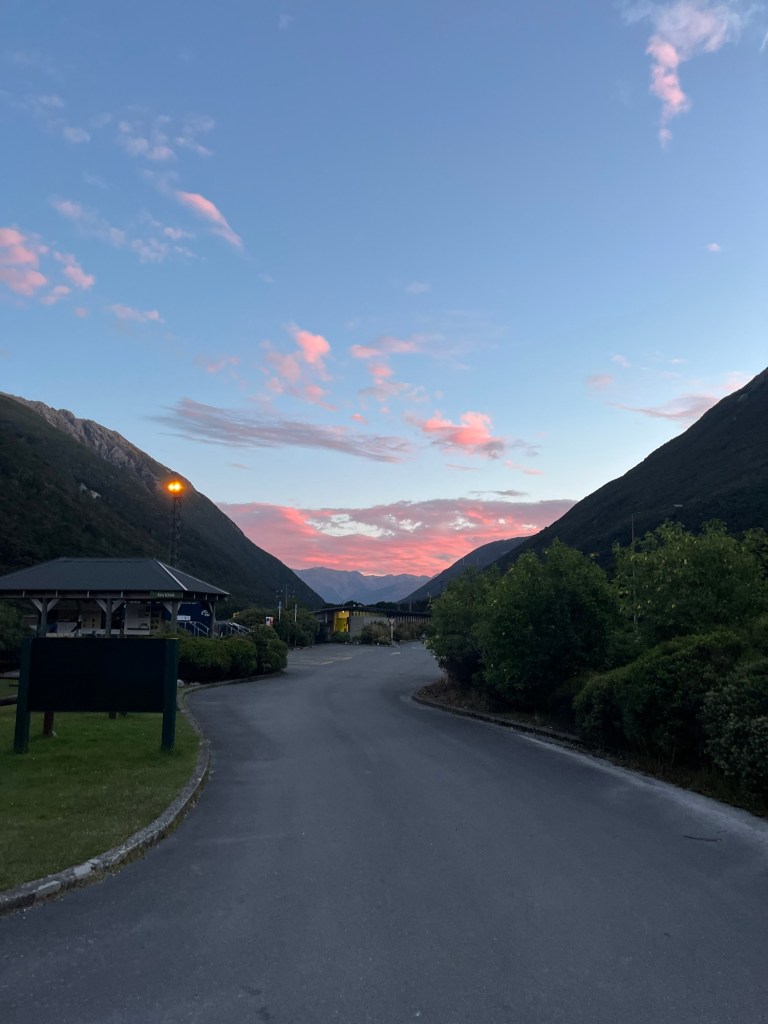
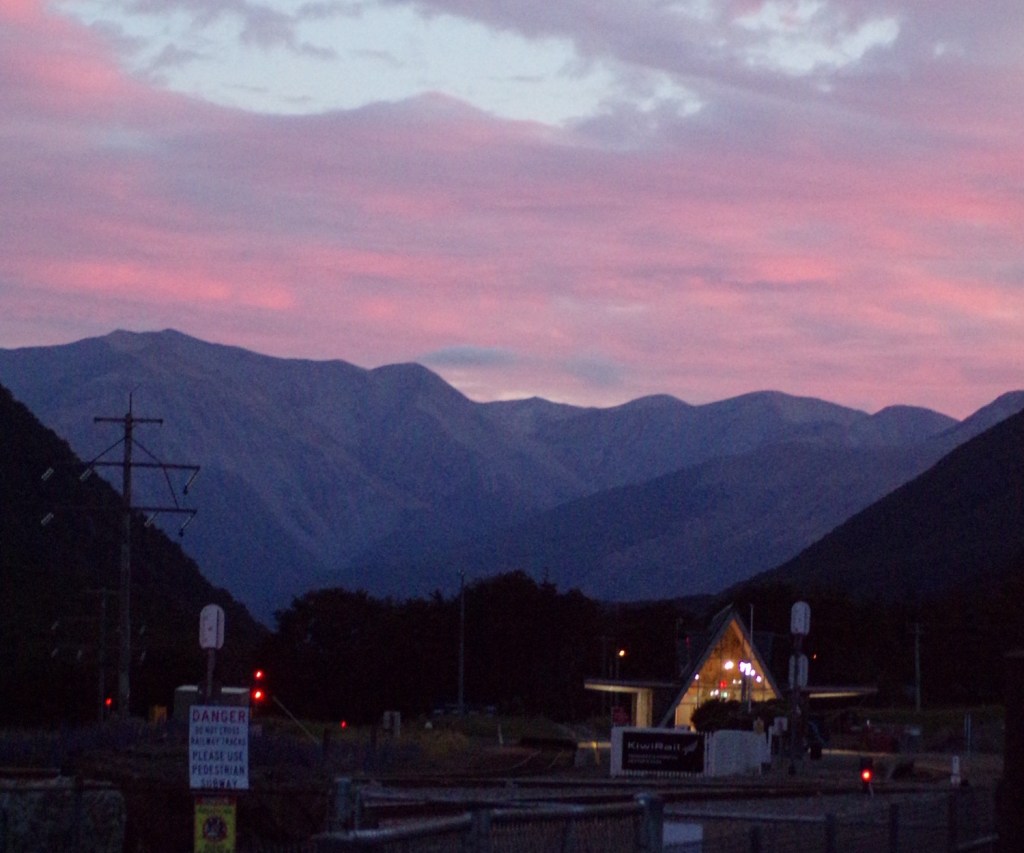
To be honest… this won’t take you long! Arthur’s Pass village is quite small but it is worth walking through all the same. There are 2 lovely cafes and past them the DOC Information Centre which is really helpful if you’re trying to choose between the many walks to do. It is also surrounded by mountains and has great sunsets!
If you like birds and want to learn more about the curious Kea, then definitely visit the information boards about them which are next to the DOC Visitor Centre. They provide in-depth information about the history of the kea, their conservation efforts and ongoing threats, as well as how to distinguish the males from females and how to identify the named birds you have seen.
3. Watch for Kea at the Arthur’s Pass Cafe
This is probably the best place to see Kea as there are a pair that live nearby, and constantly frequent it to try and steal some food! The best time to see them is the early morning or late afternoon as they tend to be in the forest in the middle of the day. They are very funny to watch and are often surrounded by people who are fascinated by them. Although they are great to observe, you must protect your food from them as they will attempt to steal it, and human food is very bad for them as it interrupts their instinctual feeding habits.
4. Walk to the Devil’s Punchbowl waterfall
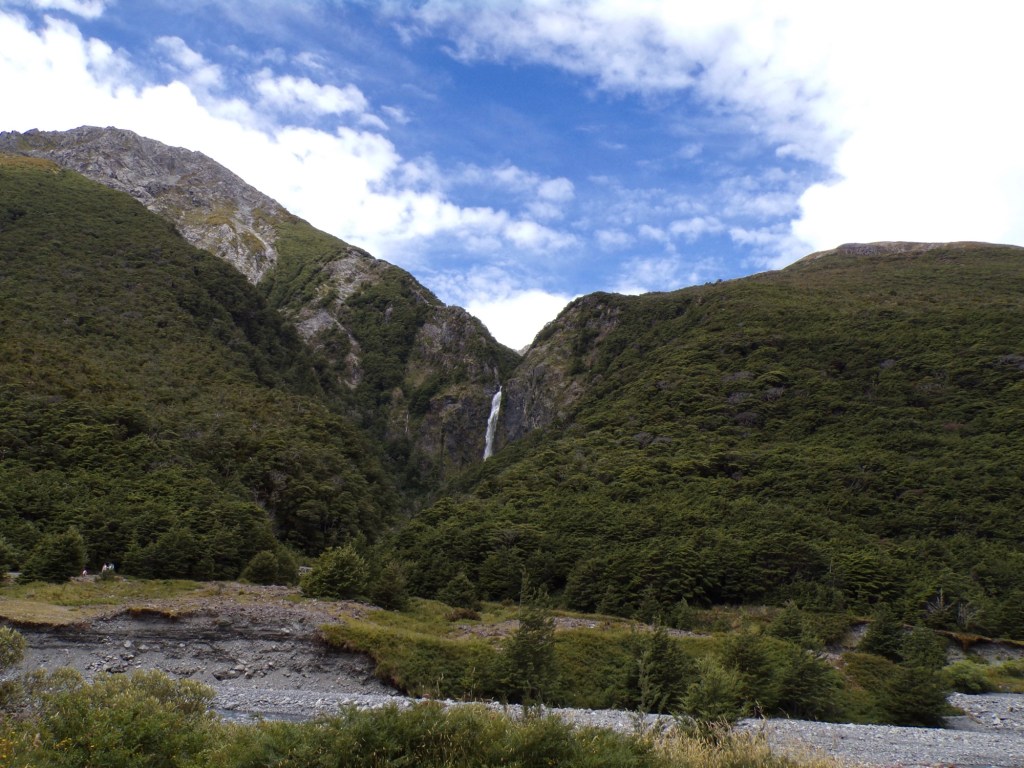
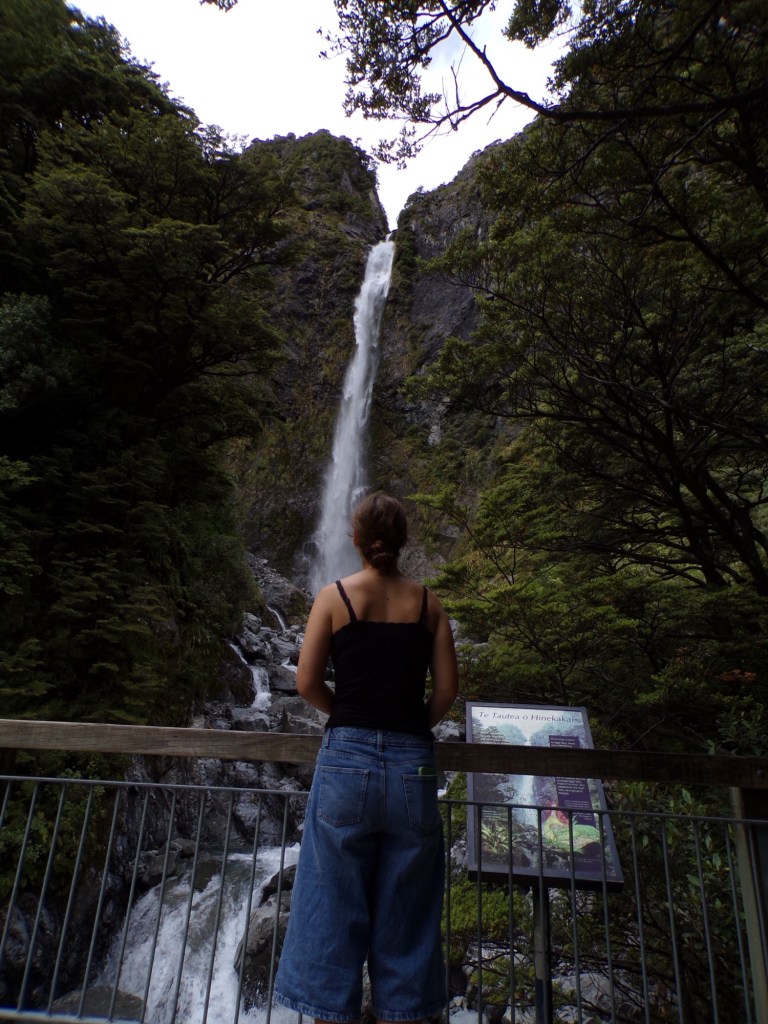
The start of the walk is located at the Punchbowl car park which is a 5 minute drive from Arthur’s Pass village. The walk is only a 2km return and took us 45 minutes in total. It is very steep though and has about 200 steps each way. The walk takes you through beech forests with lots of bird life, before climbing 150m in elevation until you reach the lookout. The waterfall is hugely impressive at 131m tall, and if you only have time for one walk while you’re in Arthurs Pass then I recommend it be this one.
5. Do parts of the Arthur’s Pass walk
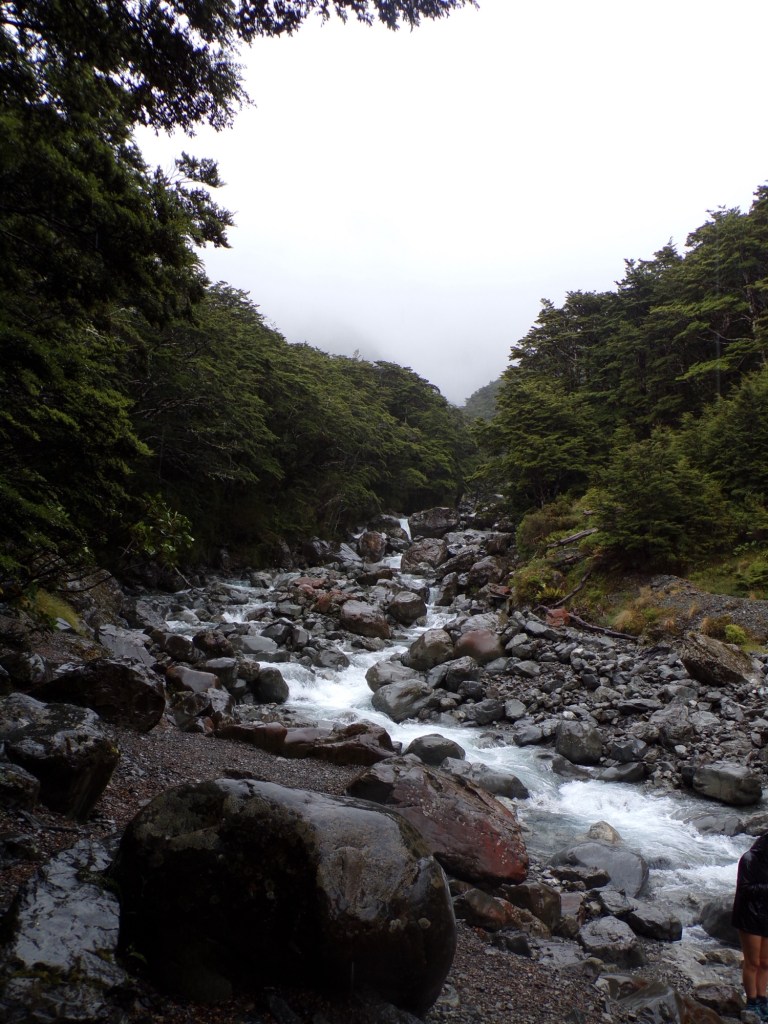
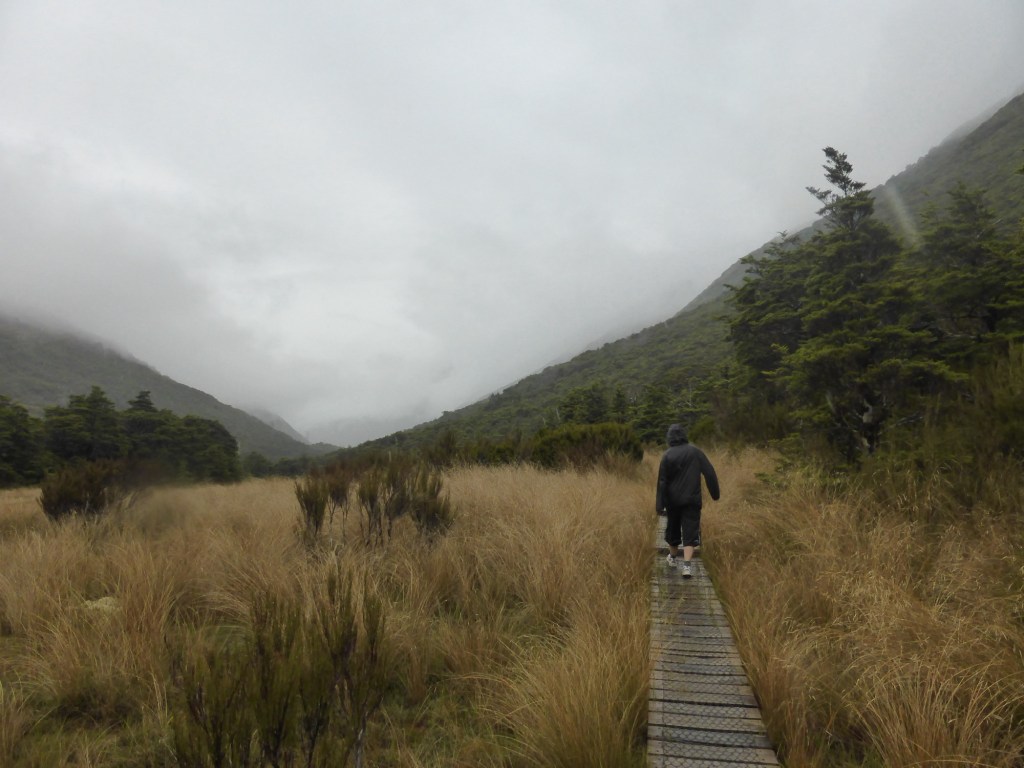
The Arthurs pass walking track is a 6.8km return walk from the village to the Dobson Memorial at Arthur’s Pass Summit. It would be a lovely walk to do in its entirety, with DOC estimating it would take about 2.5 hours. However, we did not have time to do it all and the weather was so bad I don’t think we’d have wanted to! We decided to just do the Beasley Valley track, which was a very easy 1.2km return walk to a lovely river, and would have had great views of the surrounding mountains on a clear day! There are many parts of it you can do, including a 1.8km walk to the Arthur’s Pass lookout from the same car park.
6. Visit Lake Pearson
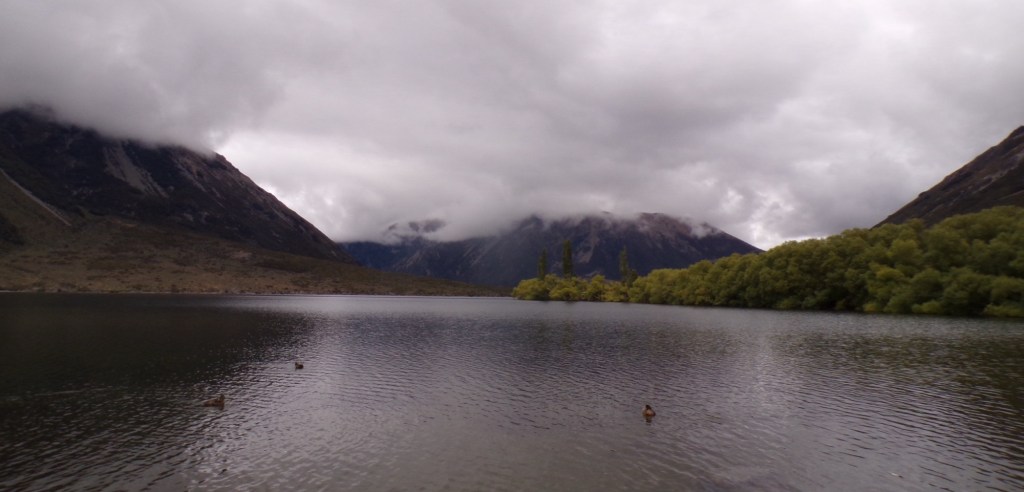
Lake Pearson is a pristine alpine lake, located a 26 minute drive from Arthur’s Pass Village and is a great quick stop on the second day of exploring Arthurs Pass. It is lovely and peaceful because it is a wildlife refuge and motorised boats are banned, also making it a great place for bird watching! It is also a paid DOC campsite, costing $15 per adult and would be a lovely place to stay. You are allowed to swim there and it would be beautiful on a sunny day.
7. Explore the Cave stream scenic reserve
There is a large car park, along with some toilets and picnic benches, so it a good place for a lunch stop.
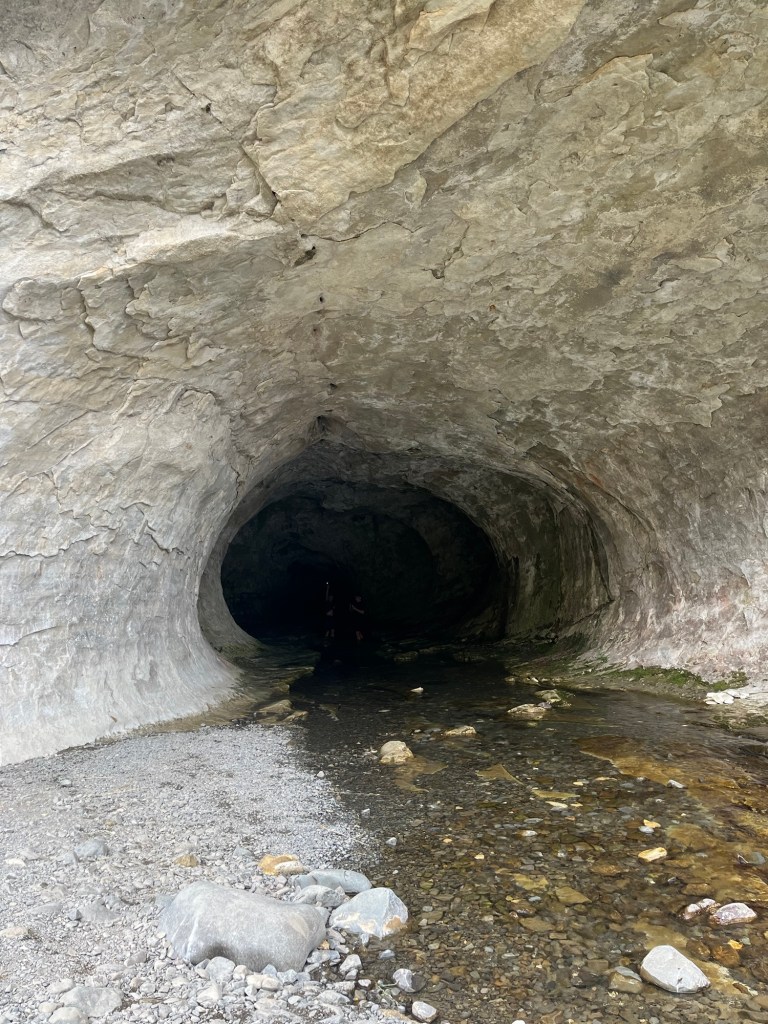
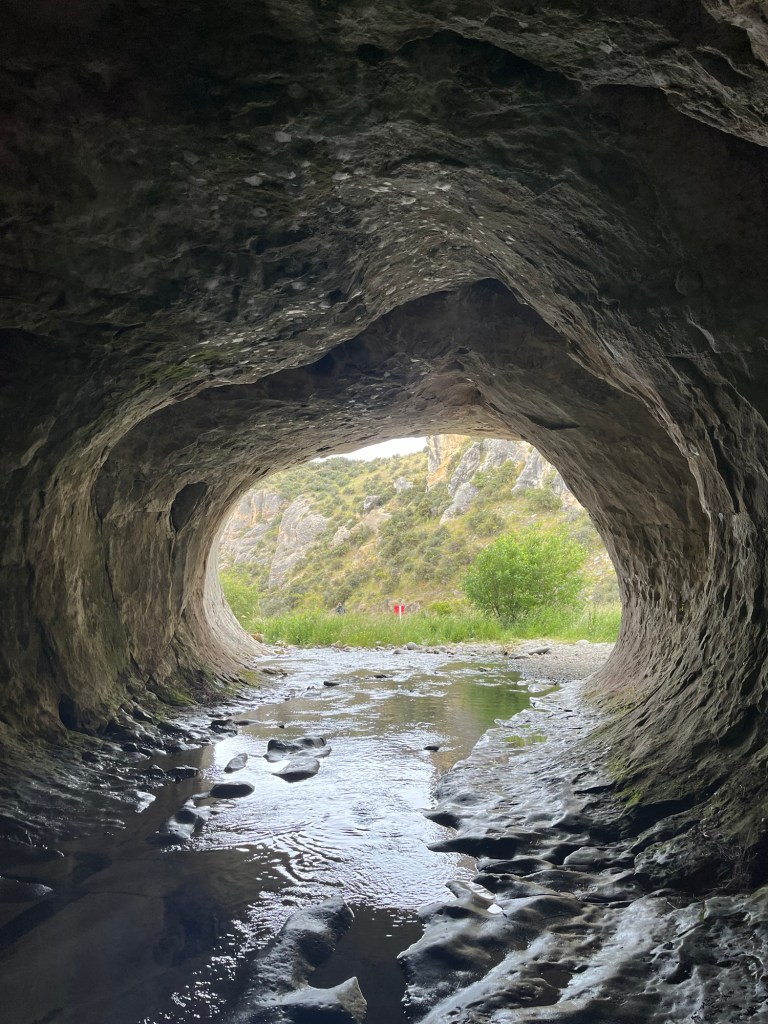
The Cave Stream scenic reserve is an 11 minute drive onwards from Pearson Lake. The walk down to the cave is only 500m and takes just over 5 minutes on the way down, and slightly longer on the way back up as it is very uphill. The limestone cave is nearly 600m long and is known as one of the most outstanding natural features in the region.
You can either stand and admire the cave from the outside or walk straight through it! This is definitely an activity for the most adventurous people out there as it is pitch black and quite claustrophobic! It is advised to enter the cave from the lower entrance (pictured) and to make sure the water level is not above the obviously-carved channel, and to not enter if it is.
DOC estimates it takes about an hour to clamber through, and appropriate clothing and shoes must be worn, as the water is waist deep in places. The cave twists and turns through to the end, and a head torch is needed as it is totally dark and you need both hands to climb with. There are several small waterfalls to climb and a rung ladder ascends the final waterfall, so that you can climb out of the cave.
8. Visit Castle Rocks
It is a further 6 minute drive to Castle Hill where there is a large car park with toilets. It is an easy 20 minute walk to and from the rocks, but it is worth spending longer than that looking round the limestone formations. They are great to climb on and clamber over, and there’s loads of different shape rocks, it almost feels like a completely natural playground!
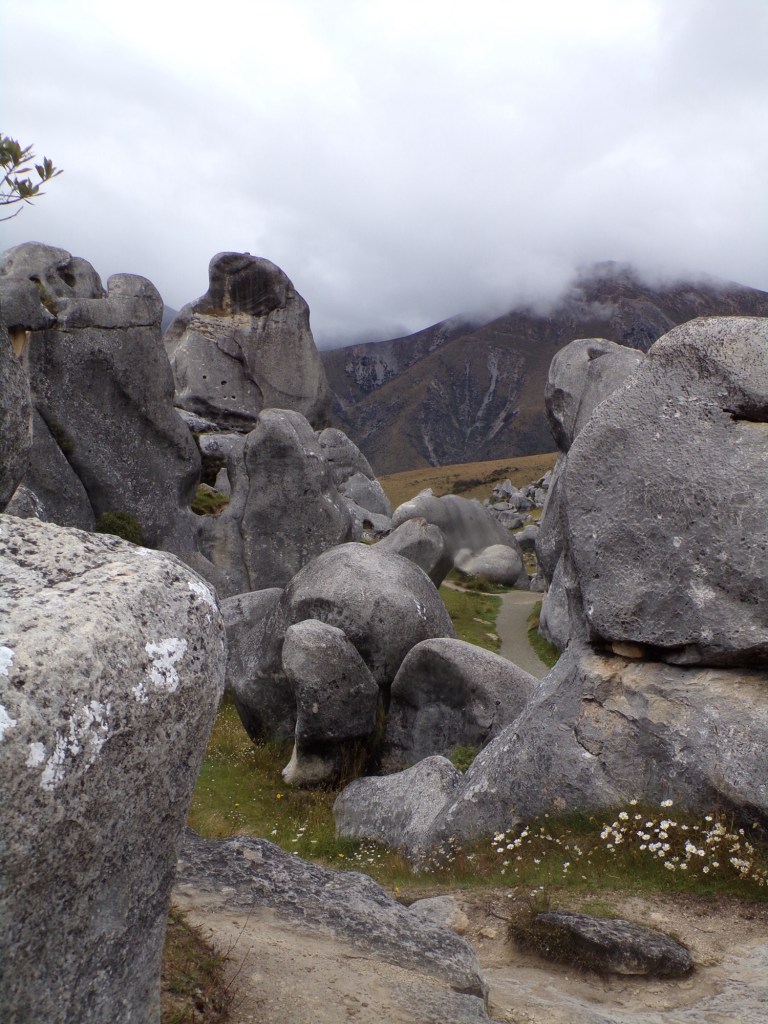
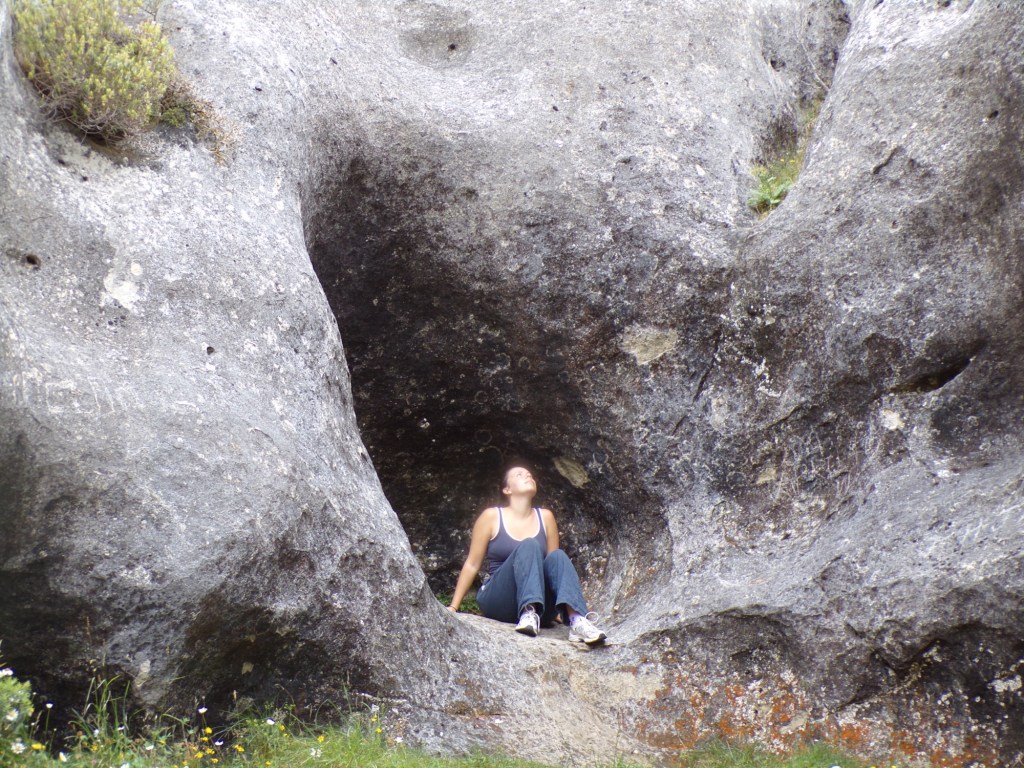
This area was covered by a large inland sea millions of years ago and sediment compression formed limestone rocks. The sea began to retreat about 30 million years ago and the pressure created the surrounding Torlesse and Craigieburn Ranges. After the sea retreated, limestone was left and water eroded it to create the rock formations you can see today. You can learn more about the history of the rocks, and its importance to Maori people, on information boards around the area.
Thank you for reading my blog! If you are looking for more travel recommendations then have a look at my other blogs below:
10 Ultimate Wanaka Guide: top 10 things to do
10 Unmissable Things to do in Queenstown for first-time visitors
Top 10 Things to do in The Catlins (Complete Travel Guide)
 BellaGoesBackpacking
Leave a comment